

Your Daily Dose of Climate Hope, June 9, 2026
Ongoing progress on "rights of nature" legal personhood for ecosystems!

The River Wye just became the first river in the UK to be granted a charter of legal personhood from source to sea.
Tell your state leaders to support the rights of nature legal movement!

Check out our amazing new CAN Action Carousel activism tool!
Reasons For Hope
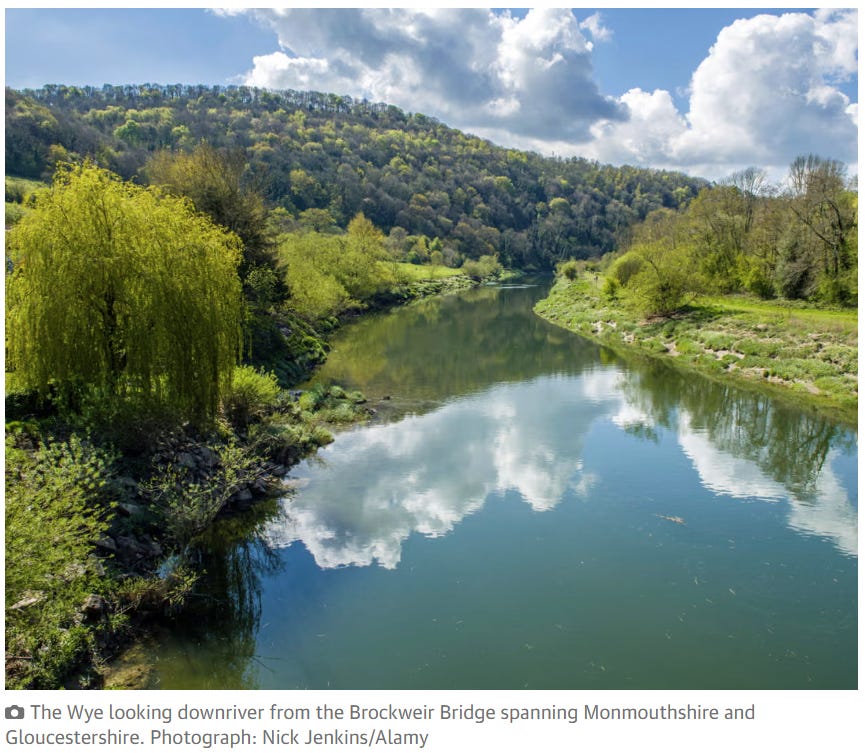
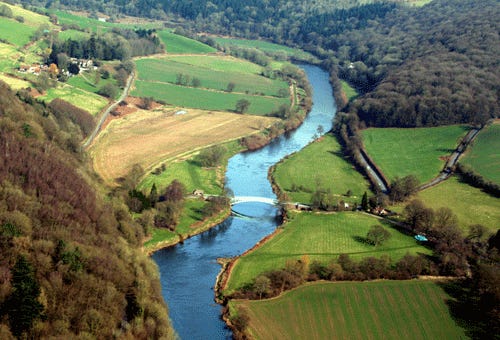
The River Wye, which runs about 130 miles and forms much of the border between England and Wales, just became the first river in the UK to be covered by a rights of nature charter from source to sea, endorsed by all local councils it flows through! It confers rights to flow, biodiversity, representation and freedom from pollution, concurrent with ongoing activism and litigation against industrial chicken farm and sewage pollution in the river. Ecologist Dr. Louise Bodnor has been appointed “Voice of the Wye.”
This is a new milestone in the global rights of nature legal movement, which seeks to grant ecosystems nonhuman legal personhood status with human legal advocates charged with defending their interests. The concept of nonhuman legal people is well established, with longstanding legal “juridical” personhood status for sovereign nation-state, individual government agencies, and in some jurisdictions even corporations, places of worship, and NGOs. Like these human-created institutions, ecosystems are complex and multifaceted collections of interlinked entities that can provide immense benefits when they are functioning well or cause devastation when they are functioning poorly, and it’s just common sense to have legal guardians empowered to represent their interests in a court.

The “rights of nature” may sound too far-out as a concept, a utopian dream even, but various expressions of the idea are gradually becoming a practical reality in many places around the world.
Ecuador enacted a new constitution in 2008 including a pioneering “rights of nature” clause, and several court cases have since been won on this basis.
The Constitutional Court of Colombia granted rights to the Atrato River and appointed a commission of human legal guardians in 2016.
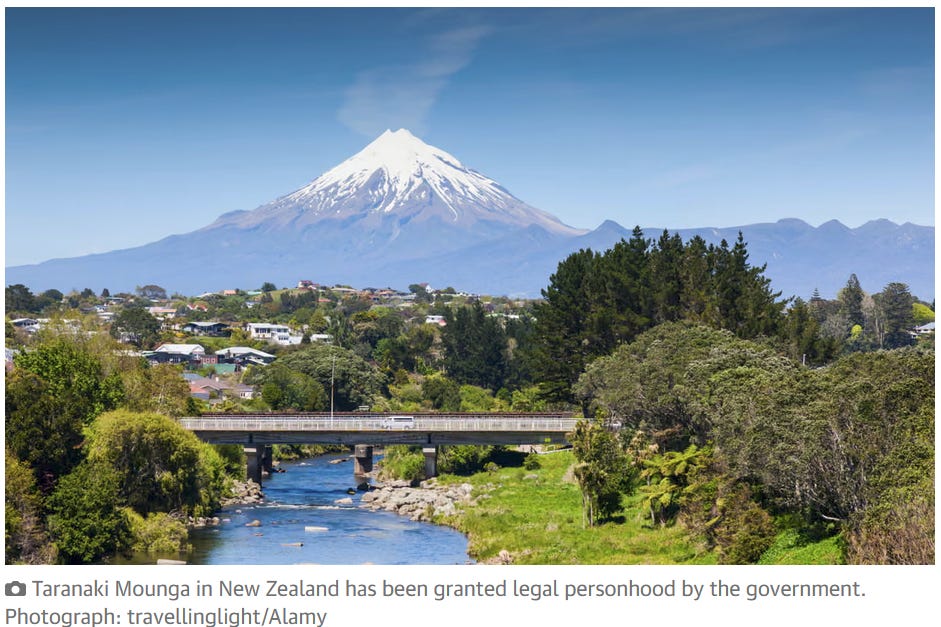
New Zealand has famously granted legal personhood to three major ecosystems, all with spiritual significance to local Maori people: the Te Urewera forest in 2014, the Whanganui River in 2017, and Mount Taranaki in 2025.
The Constitutional Court of Spain upheld legislation granting legal personhood and guardians to the Mar Menor lagoon ecosystem in 2024.
The Inter-American Court of Human Rights, whose treaty members include most of Latin America, endorsed the general rights of nature concept in July 2025.
In the United States, the landmark EcoJurisprudence database counts 181 rights of nature-related legal events in the United States, generally resolutions made at the town or county level. To take two well-known examples, the voters of Toledo, Ohio passed an anti-pollution Lake Erie Bill of Rights in 2019, though a federal court later struck it down for exceeding municipal authority, and in 2020, the voters of Orange County, Florida, overwhelmingly passed a “right to clean water” charter amendment which remains on the books.
At the state level, legislators have introduced — so far unsuccessfully — a Great Lakes Bill of Rights in New York, a Dan River rights bill in North Carolina, and a bill granting rights to Devil’s Lake State Park in Wisconsin.
State leaders’ support for rights of nature legislation granting juridical personhood to specific ecosystems would help build an eminently sensible legal framework for long-term protection of healthy lands and waters for America.
Tell your state leaders to support the rights of nature legal movement!
Your Dose of Climate Hope is written by Sam Matey-Coste for Climate Action Now.
