


Building solar panels on farm fields brings many benefits — and it’s still only a minuscule slice of U.S. farmland.
Tell your state leaders that solar panels are good for farmland!

Check out our amazing new CAN Action Carousel activism tool!
Reasons For Hope
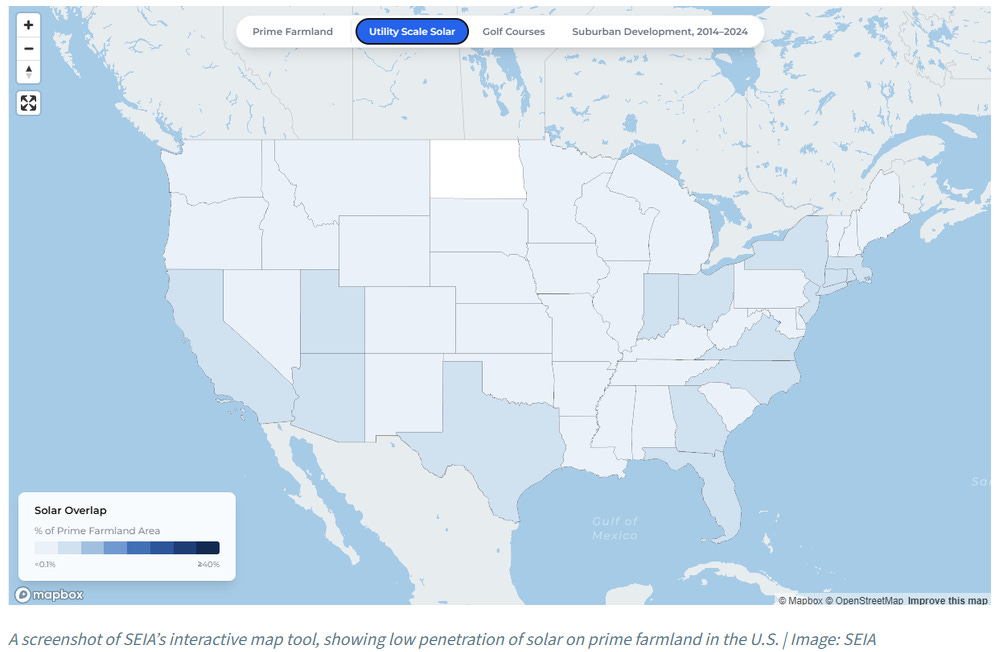
Claims that solar build-outs are “taking away farmland” are among the most common anti-renewable energy attack lines, especially in widespread “astroturfed” campaigns funded by fossil fuel companies. Horrifyingly, these attacks are having real impact — a full 24% of U.S. counties have now enacted ridiculously strict local zoning regulations that make it almost impossible to build new solar and wind farms.
A recent interactive map project has now calculated that solar arrays are currently above just 0.04% of total U.S. land area and just 0.07% of U.S. farmland! 0.07% is absolutely tiny — if you imagine 10,000 acres as representing all U.S. farmland, solar currently takes up just 7 acres.
Furthermore, there are currently zero states where solar occupies more than 0.5% of prime farmland.
Nationwide, golf courses currently occupy three times more prime U.S. farmland than the vital new solar arrays actively cleaning and stabilizing our civilization!
So solar farms are using only a tiny slice of American farmland, just a third as much as golf courses. That’s important to keep in perspective. But more fundamentally, if they were using much more, that would be a very good thing.
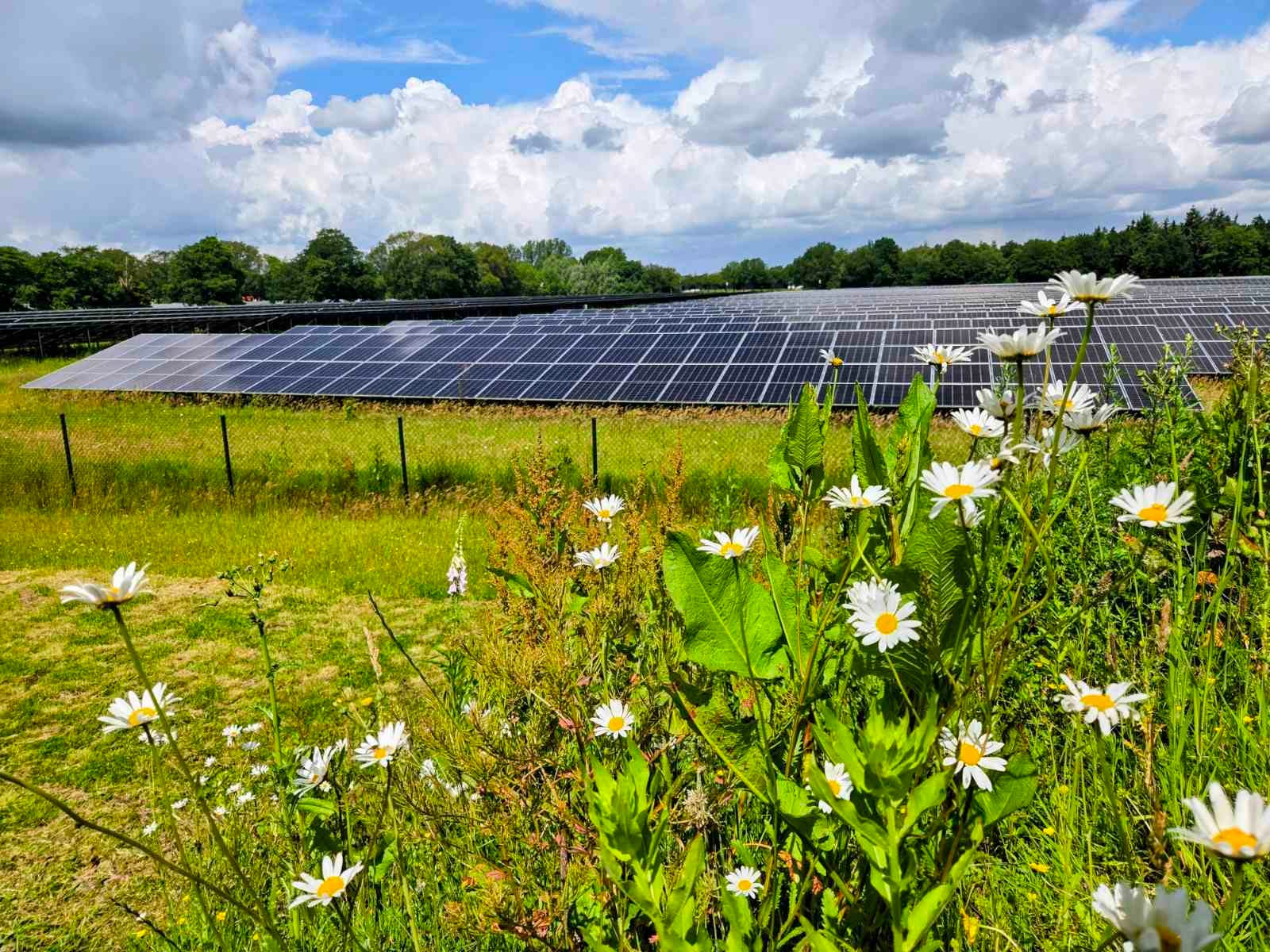
Direct conversion of croplands into solar farms is a win-win benefit for both the environment and the farmer. Many studies have found that once-monocultured farms become important bird and bat habitats after a solar farm is built! Wildlife are more likely to thrive on land that’s not being regularly plowed and sprayed with pesticides, especially in fast-spreading ecovoltaics setups where native plant seeds are sown while panels are installed. And in chaotic economic times, fallowing some land for solar development ensures a consistent, predictable revenue stream that can be vital to keeping family farms alive.
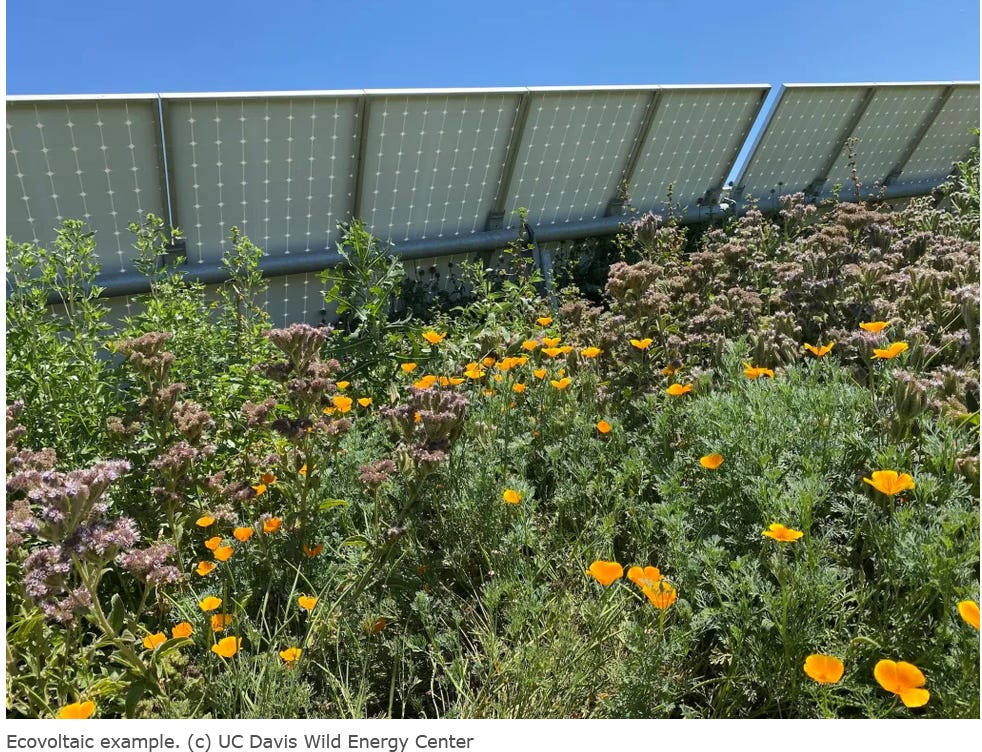
Solar panels produce no pollution and have no moving parts, so the farmland will still be available for use generations later, likely with healthier soil built up from its time as a clean energy site! Agrivoltaics is a fast-growing sector as well, producing food and power simultaneously from the same land.
State leaders should keep in mind that solar development is a positive good for American farmland and farmers, and steadfastly oppose nonsensical anti-solar campaigns trying to stop farmers from making this win-win choice on their own land. Illinois has passed a state-level law preemptively overruling local-level solar bans — this is a great model for the nation.
Tell your state leaders that solar panels are good for farmland!
Your Dose of Climate Hope is written by Sam Matey-Coste for Climate Action Now.
